⭐100K+ Monthly Downloads
⭐Top 20 Apple Management
⭐100K+ Monthly Downloads ⭐Top 20 Apple Management

The Small
Business
Cyber Security Guy
Welcome to the blog and podcast, where we share brutally honest views, sharp opinions, and lived experience from four decades in the technology trenches. Whether you're here to read or tune in, expect no corporate fluff and no pulled punches.
Everything here is personal. These are my and the team’s thoughts, opinions forged in the heat of battle! And not those of our employers, clients, or any other professional with whom we are associated.
If you’re offended, take it up with us, not them.
What you’ll get here (and on the podcast):
Straight-talking advice for small businesses that want to stay secure
Honest takes on cybersecurity trends, IT malpractice, and vendor nonsense
The occasional rant — and yes, the occasional expletive
War stories from the frontlines (names changed to protect the spectacularly guilty)
I've been doing this for over 40 years. I’ve seen genius, idiocy, and everything in between. Some of it makes headlines, and most of it should.
This blog and the podcast are where we break it all down.
Grab a coffee and pull up a chair, you need to see this!



When Your Firewall Vendor Starts Dropping Weekly CVEs
Your firewall vendor just announced another critical vulnerability. Last week brought two more. Last month? Six. When does "routine security update" become a vendor reliability crisis that threatens your business?
For UK SMBs running Fortinet or SonicWall, the CISA Known Exploited Vulnerabilities catalogue tells an uncomfortable story: your perimeter security is under active, documented attack. This isn't vendor marketing or compliance theatre.
This is your board-level "do we stay or do we leave" conversation, backed by evidence, decision frameworks, and a migration playbook that won't destroy your operations. Time to score your vendor.
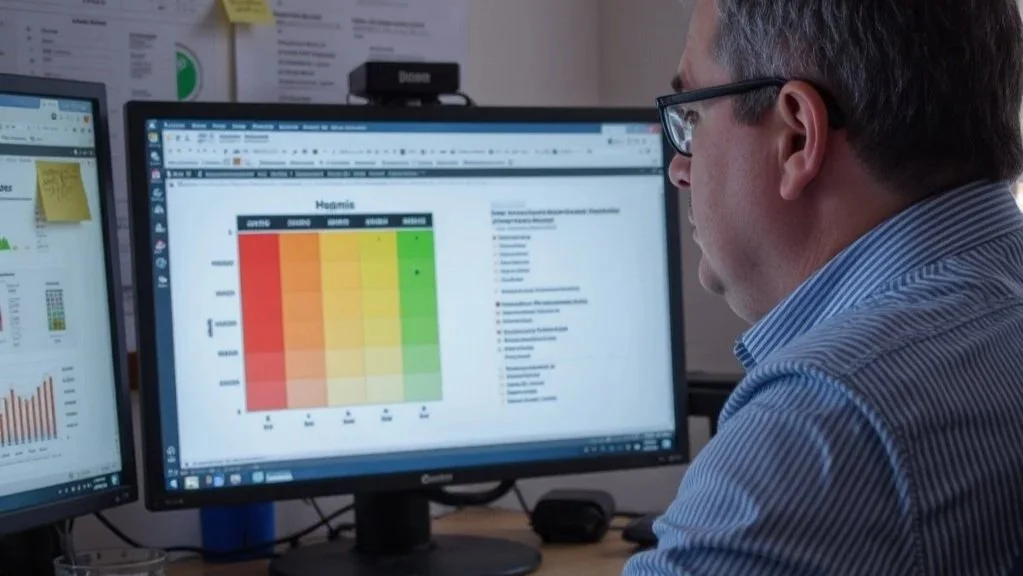
How to Build a Cyber Risk Register That Actually Works: The Technical Reality Behind Board Governance
Most cyber risk registers are useless compliance documents.
They contain vague descriptions, unverifiable controls, and no honest assessment of likelihood or impact.
A working risk register has exactly seven columns: specific risk scenarios, likelihood based on real UK statistics, quantified impacts including business closure potential, verifiable current controls, residual risk ratings, costed additional controls, and named board-level owners.
Every UK SME must address five mandatory risks: phishing (85% of breaches), ransomware, supply chain compromise, insider threats, and cloud misconfiguration.
Ten critical technical controls cover 90% of actual threats. Implementation costs £150-300 per user annually. One prevented £3,398 breach pays for years of protection.
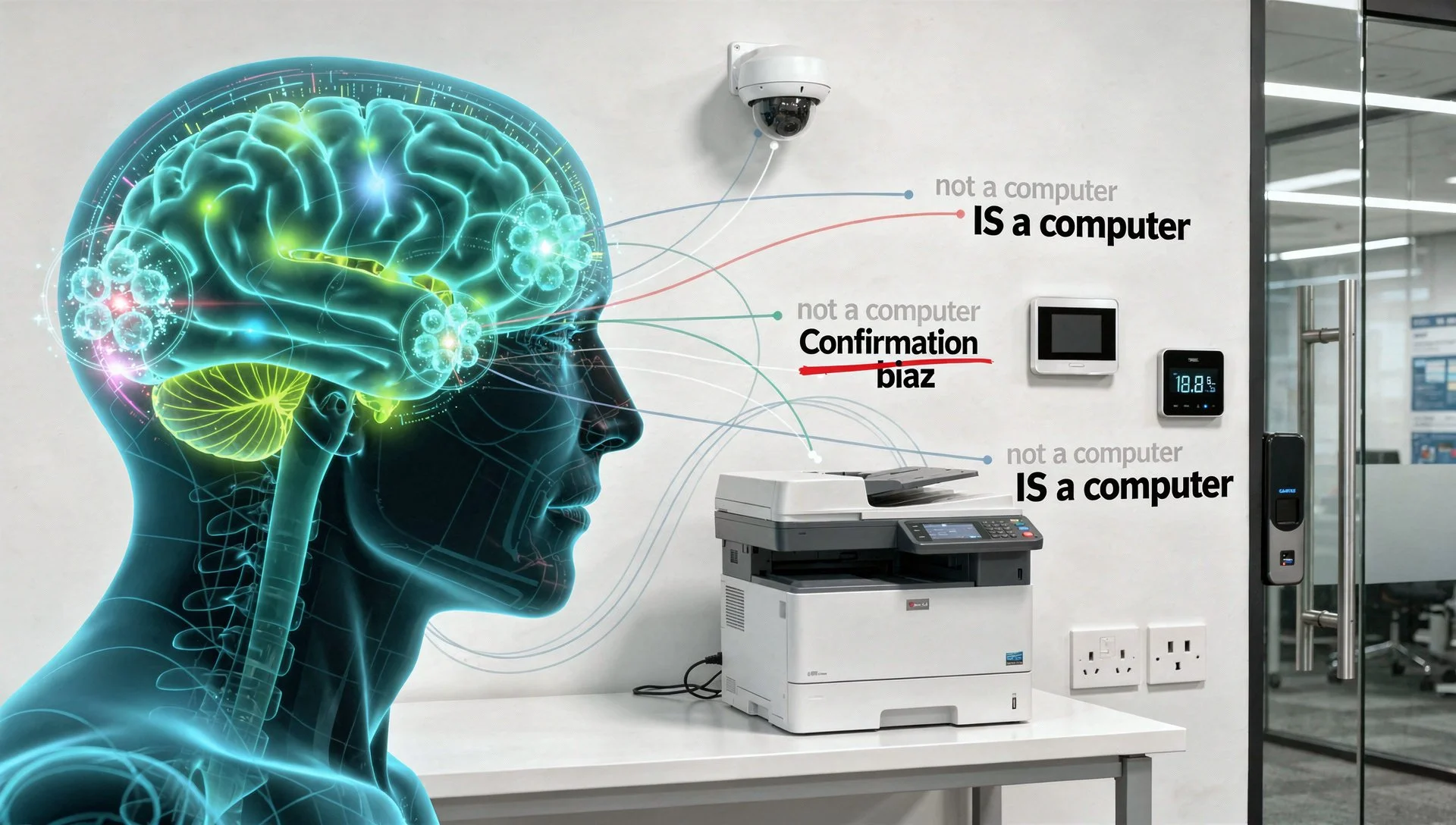
Why Smart People Keep Ignoring Smart Device Security: The Psychology Behind IoT Blindness
After this week's podcast revelation about the marketing agency losing client files through an unsecured printer, my inbox has been full of variations on the same question: how do intelligent business owners with otherwise solid security miss something this obvious?
The answer isn't comfortable, but it's important: IoT security failures aren't about lack of intelligence. They're about systematic psychological blind spots that affect everyone from small business owners to government departments.
Former UK Government analyst reveals the cognitive biases costing UK businesses millions and, more importantly, how to overcome them before your next security decision. Understanding the psychology prevents the breach.

Opinion: UK SMBs Are Funding AI's Energy Crisis and Nobody Asked Permission
Here's a question for your weekend: Did anyone ask if UK small businesses wanted to fund Microsoft's nuclear reactor restart?
Because that's what's happening. While Microsoft spends $1.6 billion restarting Three Mile Island, Google partners with Kairos Power for small modular reactors, and Amazon secures nuclear capacity across multiple projects, your cloud bills are climbing to pay for it.
Nobody took a vote. Nobody asked permission. Tech giants made a collective decision that AI is worth unlimited energy consumption, and UK SMBs are involuntary investors in that bet. Let's talk about that.
⚠️ Full Disclaimer
This is my personal blog. The views, opinions, and content shared here are mine and mine alone. They do not reflect or represent the views, beliefs, or policies of:
My employer
Any current or past clients, suppliers, or partners
Any other organisation I’m affiliated with in any capacity
Nothing here should be taken as formal advice — legal, technical, financial, or otherwise. If you’re making decisions for your business, always seek professional advice tailored to your situation.
Where I mention products, services, or companies, that’s based purely on my own experience and opinions — I’m not being paid to promote anything. If that ever changes, I’ll make it clear.
In short: This is my personal space to share my personal views. No one else is responsible for what’s written here — so if you have a problem with something, take it up with me, not my employer.